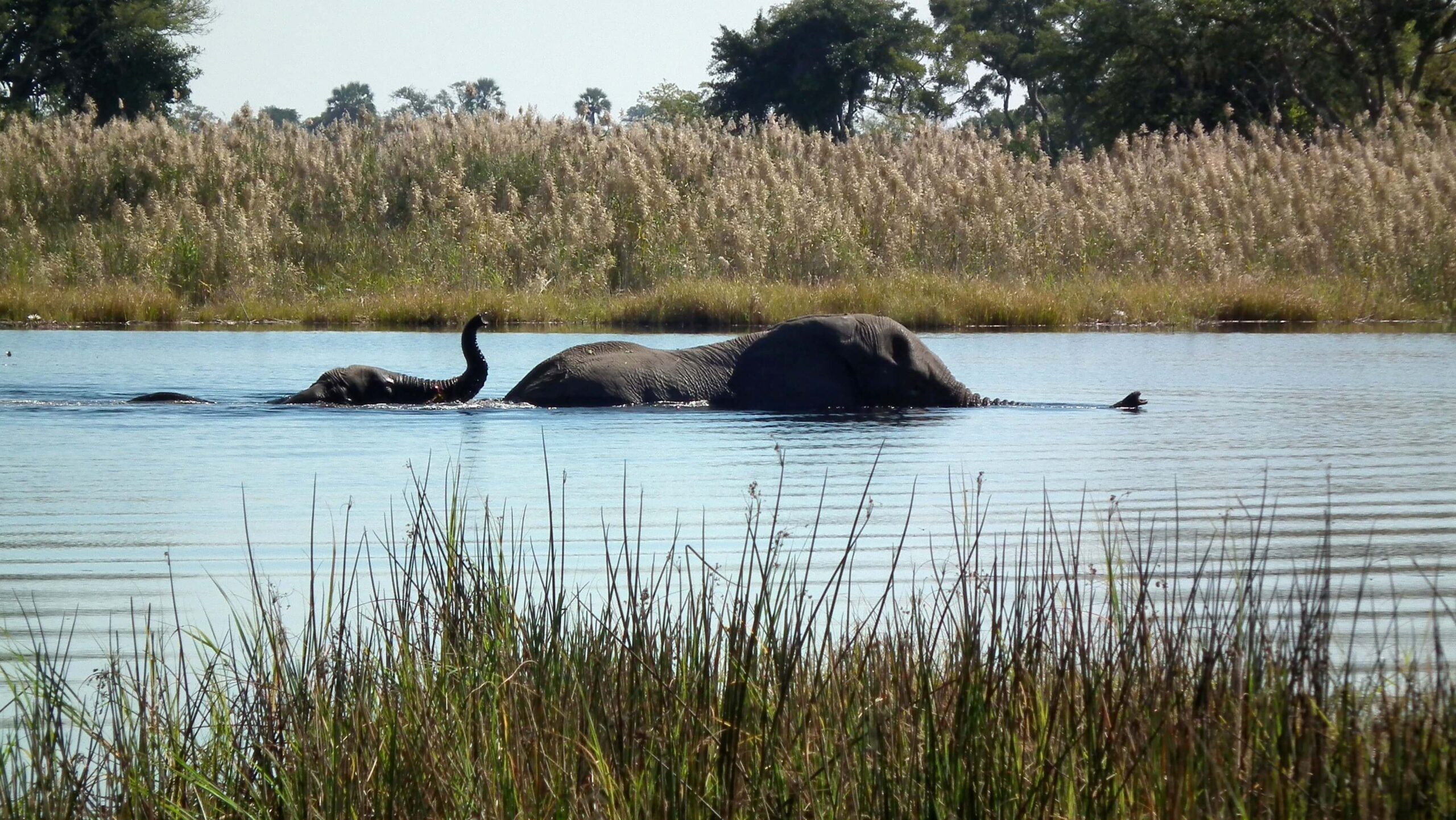
Botswana offers amongst the finest wildlife experience in the world. It is situated in the heart of Southern Africa is comprised largely of the Kalahari Desert and the Okavango Delta.
Very different to each other they offer authenticity that ranges from dynamic wetland ecosystems to desert wilderness.
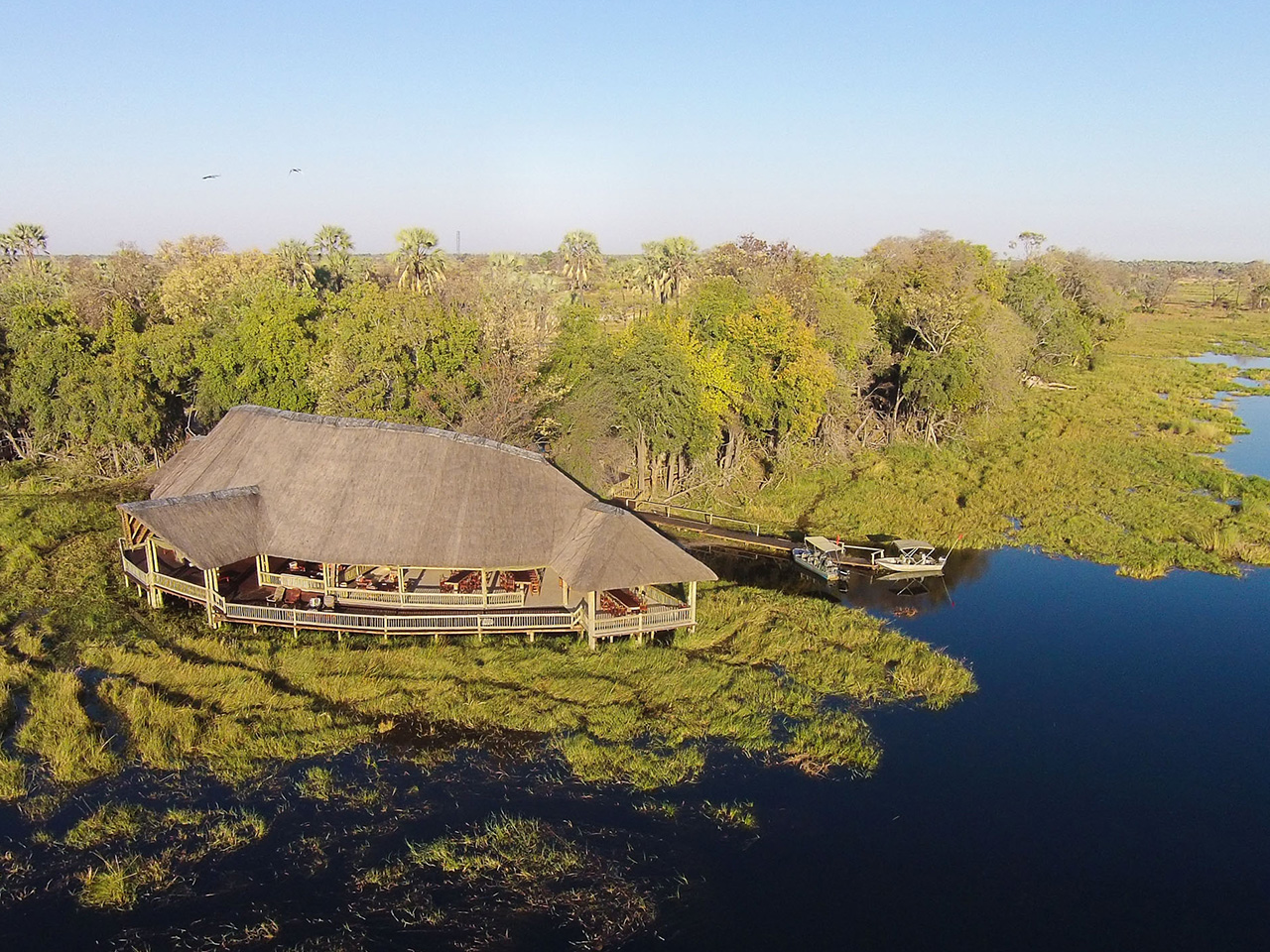
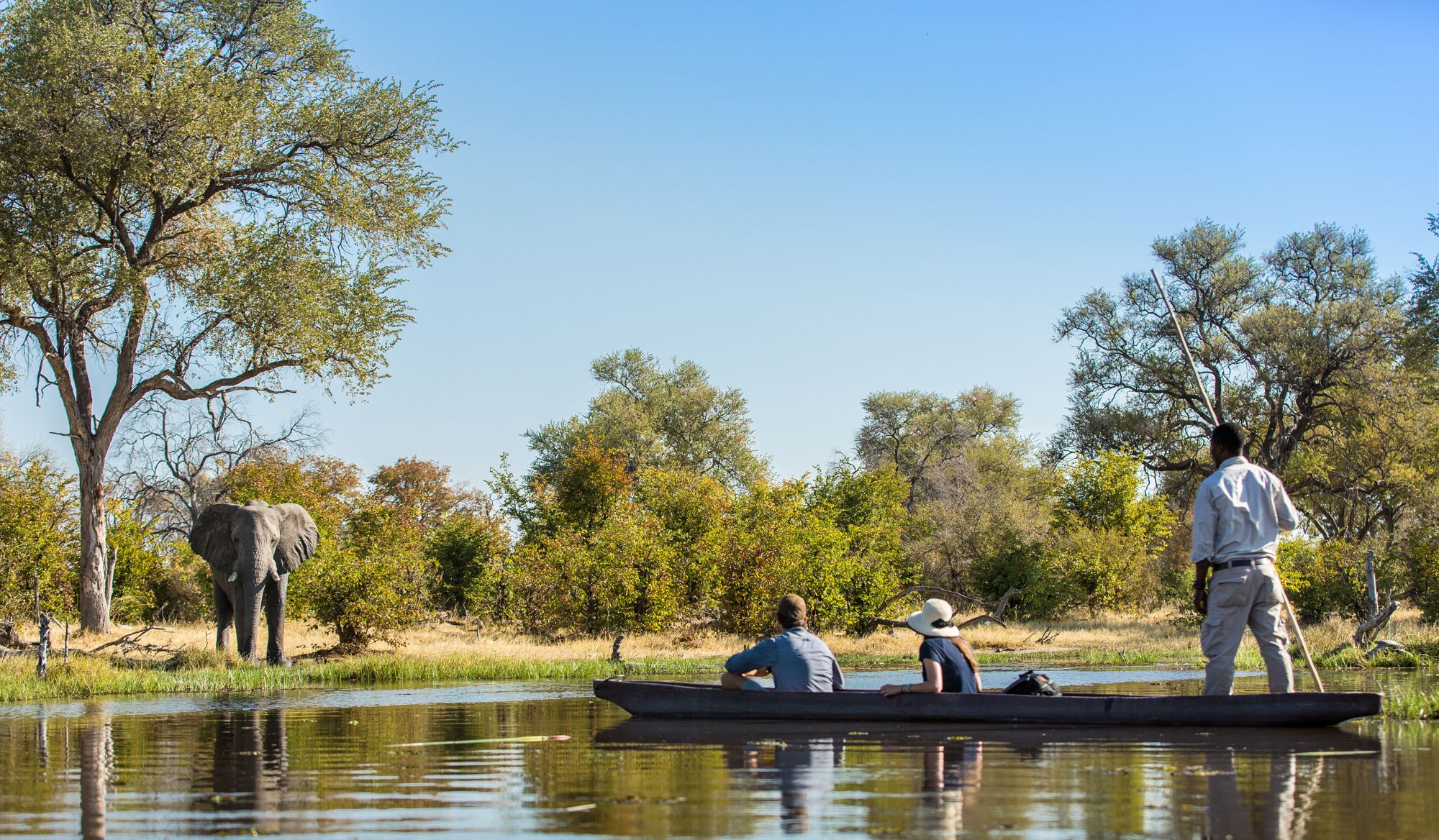
When visiting, combine your big-game viewing in Chobe National Park, Moremi or Savute Game reserve with the unique experience of travelling down Okavango Delta in mokoros: dug-out canoes. The Okavango River empties into the Kalahari sands to create the largest inland-river delta in the world.
Remember, while the Okavango Delta is home to relatively few large game animals in comparison to other areas of Botswana, its clear waters and myriad small islands are home to an astounding variety of birds, plants, and smaller species of animals.
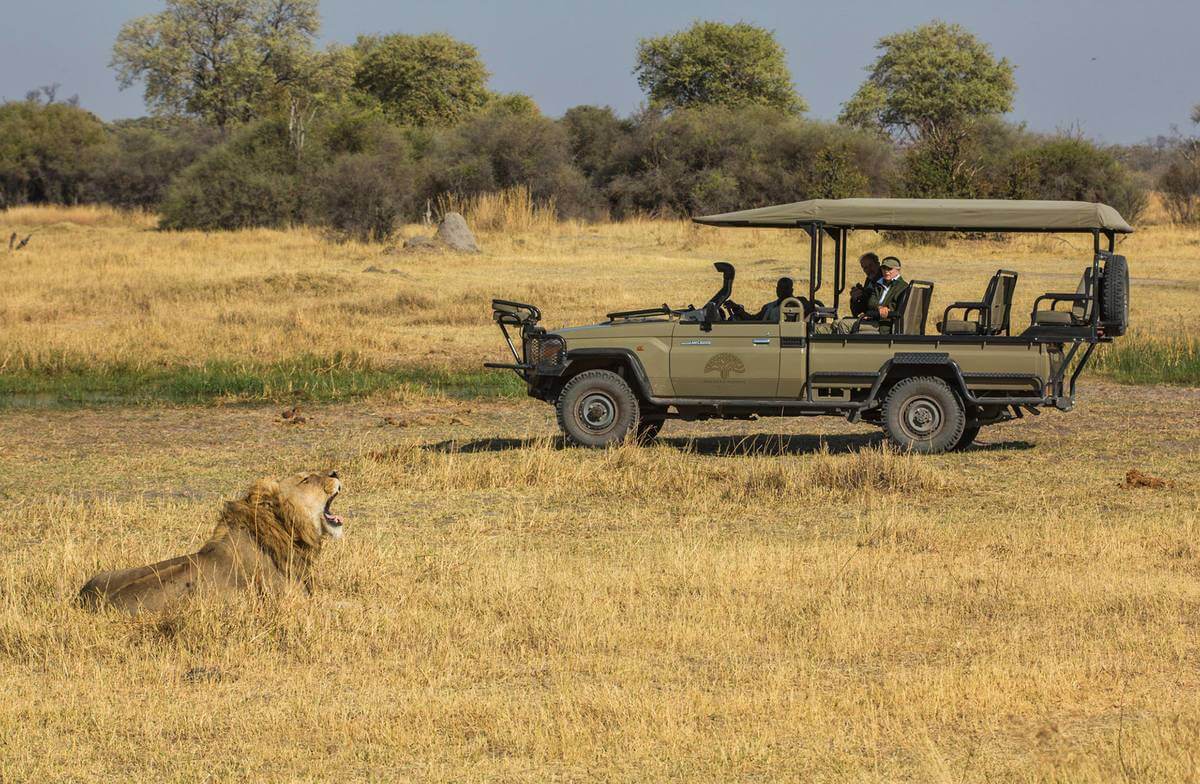
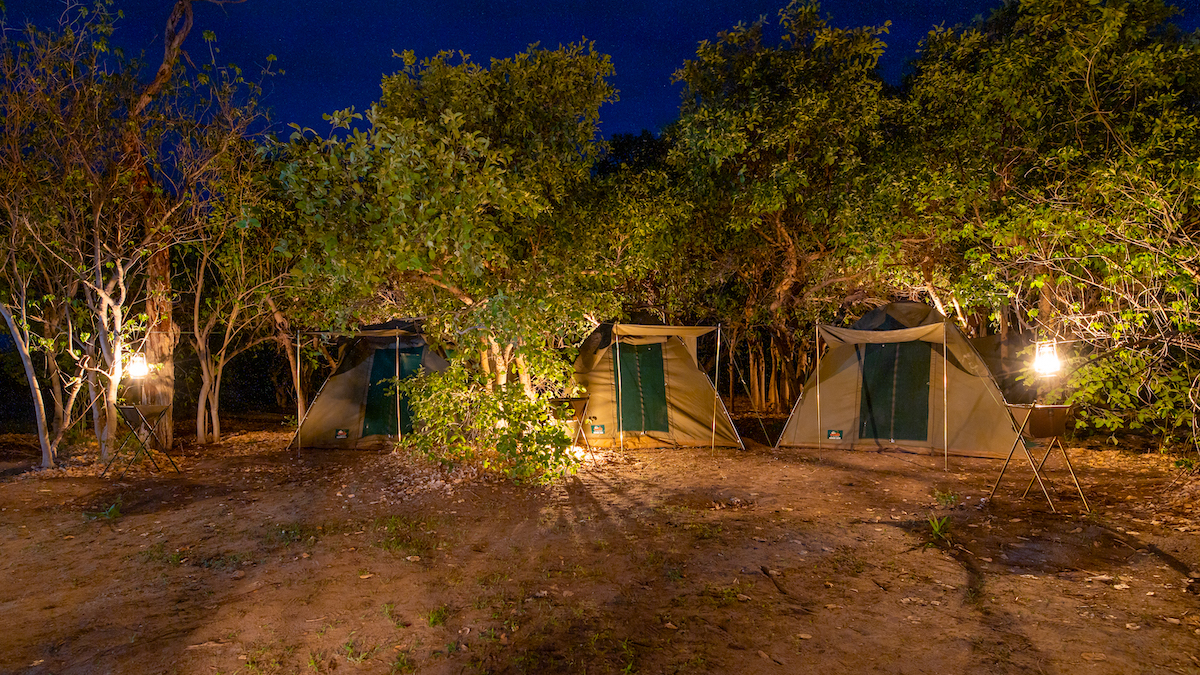
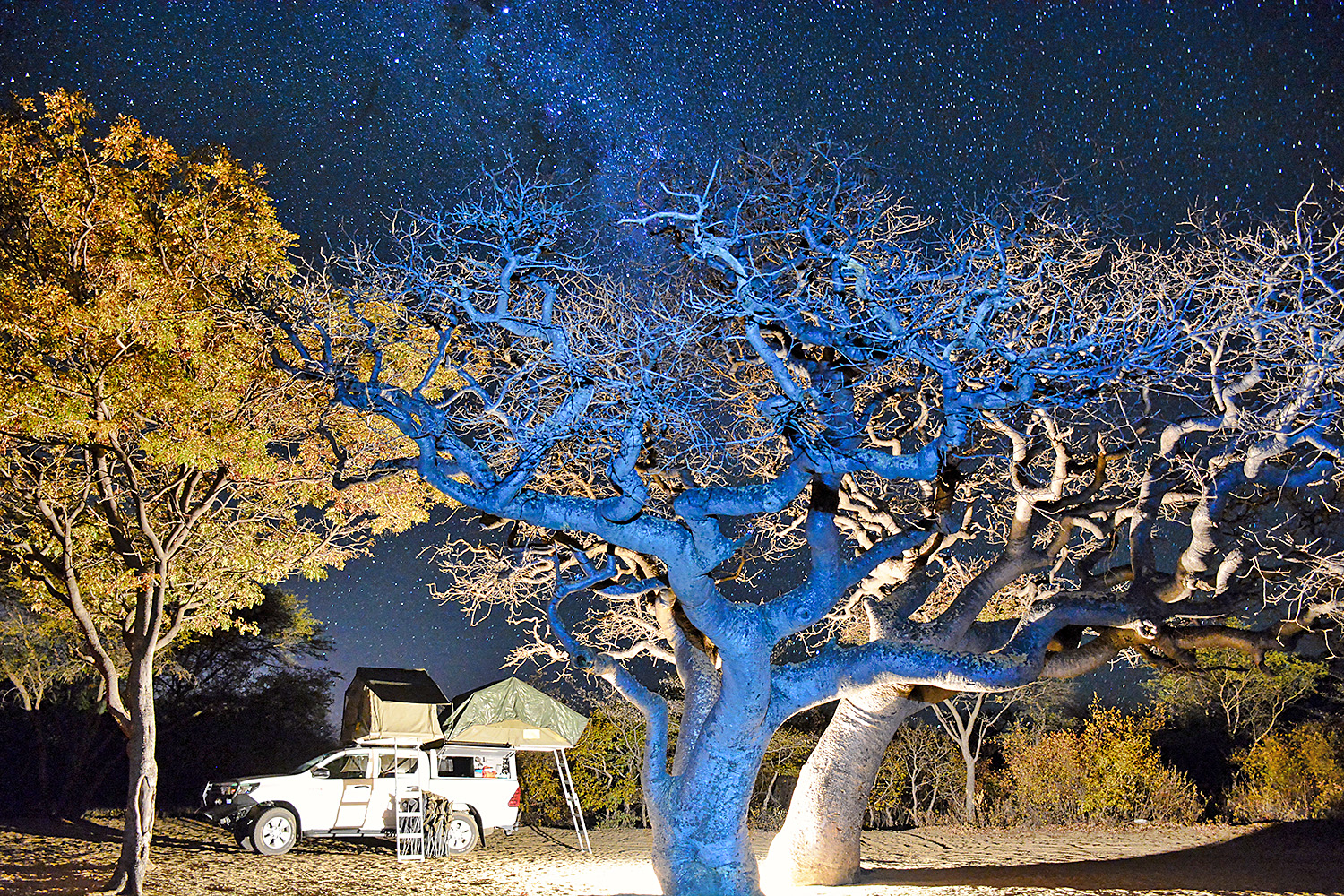
Whether you are an intrepid traveller wanting to be left alone with a fully equipped 4×4 vehicle to discover Botswana wildlife or a classic traveller who prefers to enjoy game viewing from the comfort of a safari vehicle seat or escorted by a private on a private guided journey, every traveller expectation will be fulfilled after being on a safari in Botswana.
The peak season in Botswana is between July and October, with October being the hottest month of the year. July and August are especially popular as they coincide with the northern hemisphere’s summer school holidays across most of Europe, the USA, and Canada. It is also the most expensive time of year and the country’s busiest season.
The best time for a safari in Botswana is often August to October when the foliage dies back, the wildlife is concentrated around the few waterholes remaining, and the Okavango Delta is topped up with water with its peak of the flood being August / September during which most areas of the Delta offer Mokoro safaris at this time. For many visitors, poling silently through the reeds on a traditional canoe (or mokoro) is the defining highlight of a trip to the Okavango
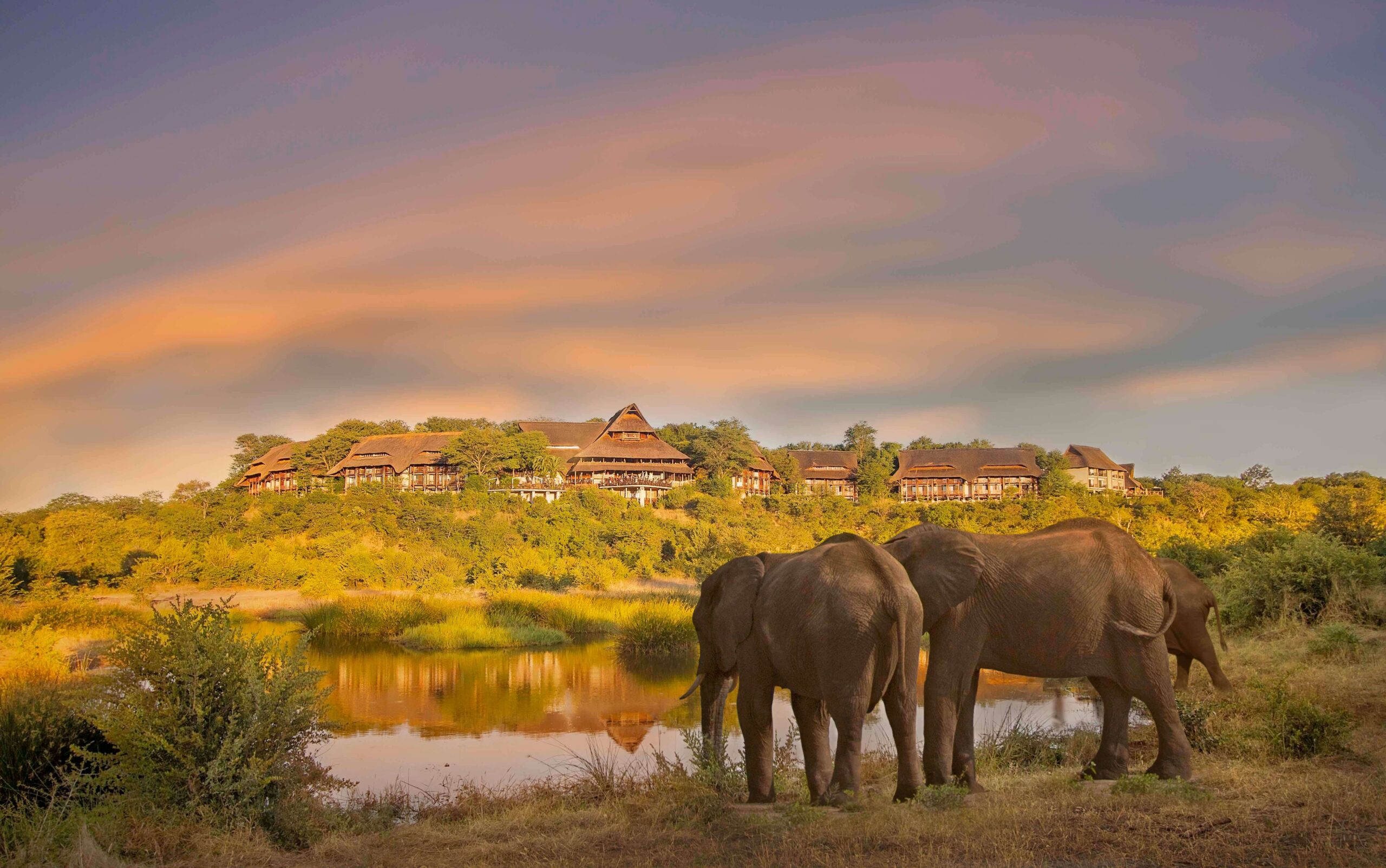
August to October is often the best time to visit Botswana for first-time visitors. This is the dry winter season when you’re most likely to see huge herds of elephants bustling around waterholes and get unobstructed views across foliage-free plains
November to May is the green season and is called such due to the high levels of rainfall the region experiences. Basically, summertime in Botswana brings heavy rains and high temperatures. These rains are vital in sustaining the delicate ecosystem of the country.
During this period, the landscape completely transforms, and it’s a beautiful sight. Birds arrive from other areas of Africa, Europe, and Asia in the thousands, and the country’s wildlife enters into a season of new life with baby warthogs, zebra, and impala nearly everywhere. Many antelope species, as well as warthogs, give birth during these months.
If you’re hoping to see predator-prey interactions, these months provide the best opportunity. It is also the time when zebra and wildebeest begin their migrations in the Makgadikgadi, Savuti, and Linyanti regions.
Rain tends to fall in short, sometimes violent thundershowers. Although rain may first fall in September, the greatest amounts fall in the months of December through February. It is important to note that, at any time of year, it does not normally rain on more than 2 consecutive days.
The Green season is worth considering for your Botswana safari to take advantage of reduced rates together with great added values and stay away from the Peak season crowds.
Besides sweltering temperatures and heavy rains combined with high humidity and an influx of insects, including mosquitoes brought about during Summer, the real downside of the green season is the absence of water into the Okavango channels, the Delta floodplains dry up at this time, so many camps are unable to offer water-based safaris, an experience that one may have to sacrifice during the summer months. In addition to the Green Season challenges mentioned above, game viewing during that time can be quite challenging since the bush is fairly thick which makes spotting wildlife a bit difficult.